Composite repair for superyachts
Superyacht Painters repairs and modifies GRP (glass-reinforced plastic), carbon fibre and aramid (Kevlar) composite structures on yachts and superyachts. We handle emergency repairs and structural modifications, and every repair is finished by our own painting team. Because the same team makes the structural repair and applies the finish, the repaired area matches the rest of the yacht.
Composites are made from reinforcing fibres set in a thermosetting resin such as polyester, vinylester or epoxy. Compared with metal or timber they are strong for their weight and stand up well to the marine environment. They still need the right repair method when damaged, because a poor repair can fail again under load.
Materials and where they are used on superyachts
- GRP (fibreglass). Hulls, decks and superstructures on many production and semi-custom yachts, as well as tenders, hatches, mouldings and interior structures. Laminates may be solid or cored.
- Carbon fibre. Used where stiffness and low weight matter, for example masts and spars, hardtops, radar arches, appendages, race yacht structures and lightweight superstructures. Usually laminated with epoxy, often as prepreg.
- Aramid (Kevlar). Used for impact and abrasion resistance, for example in hull bottoms, bows and tenders, often combined with glass or carbon in hybrid laminates.
- Sandwich (cored) construction. Two skins bonded to a foam, balsa or honeycomb core. This gives stiffness at low weight, but the core must be kept dry.
Common types of damage
- Impact damage. Damage from berthing, tenders, debris or grounding. It can crack the laminate and disbond the skins from the core, sometimes with little visible on the surface.
- Delamination. Plies separating from each other, or a skin separating from the core, after impact, overload, poor original lamination or water ingress.
- Osmosis. Blistering in underwater GRP laminates as water passes through the gelcoat and reacts with the laminate.
- Core rot and water ingress. Water entering cored decks and superstructures through fittings, hatches or cracks, causing soft spots and loss of stiffness.
- Gelcoat cracking. Star cracks and stress cracks around fittings, corners and areas that flex.
- UV degradation. Chalking and breakdown of gelcoat and unprotected resin exposed to strong tropical sun.
Inspection

Damage survey and mapping
Before we quote, we inspect and map the damage. Depending on the structure we use a tap test to find disbonds and voids and moisture meters to find wet laminate and saturated core. Where the scope calls for it, we also use ultrasonic thickness or flaw testing and thermography. Readings and photographs are recorded so that the repair area, the method and the result can be checked by the owner's representative or the Class surveyor.
Repair methods
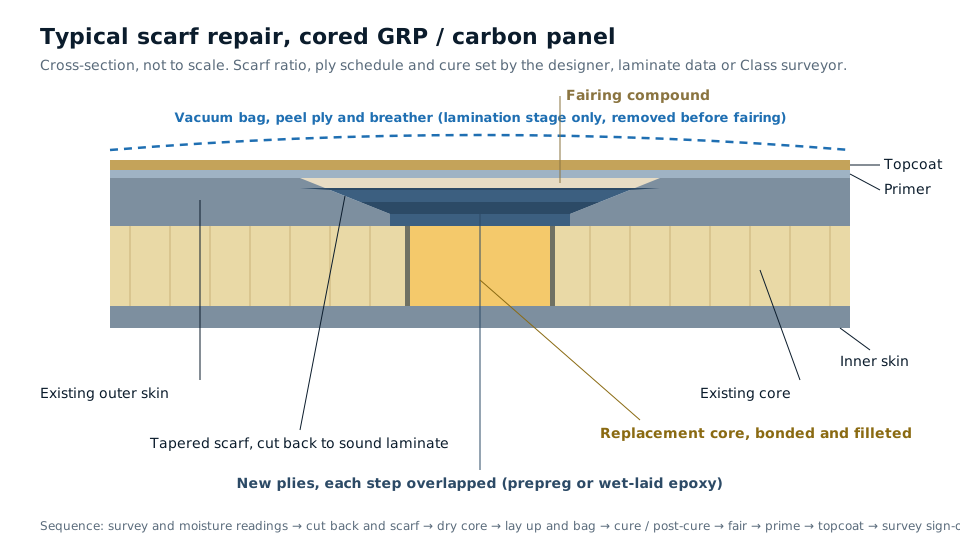
- Scarf repairs. The damaged laminate is cut back to sound material and ground to a shallow taper. New plies are laid up in steps, each overlapping the step below, so that load passes smoothly through the repair. The scarf ratio and ply schedule follow the original laminate data, the designer's specification or the surveyor's requirements.
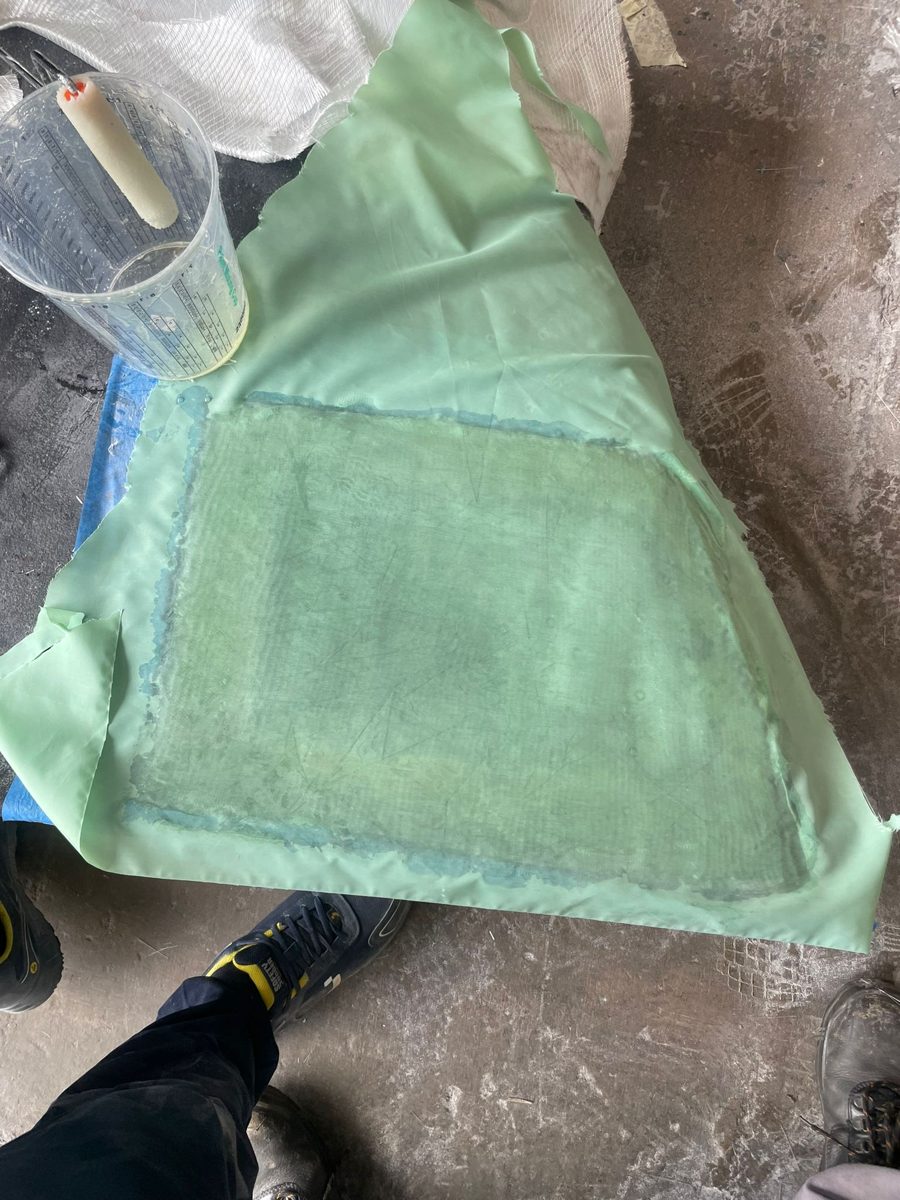
- Vacuum bagging and vacuum infusion. Vacuum consolidates the plies, removes excess resin and air, and improves adhesion to the existing laminate. On the M/Y Kerry hull and fuel tank repairs in Hong Kong we used vacuum bagging.
- Prepreg and epoxy laminating. Carbon and high-performance structures are usually repaired in epoxy, wet-laid or with prepreg, to match the original laminate.
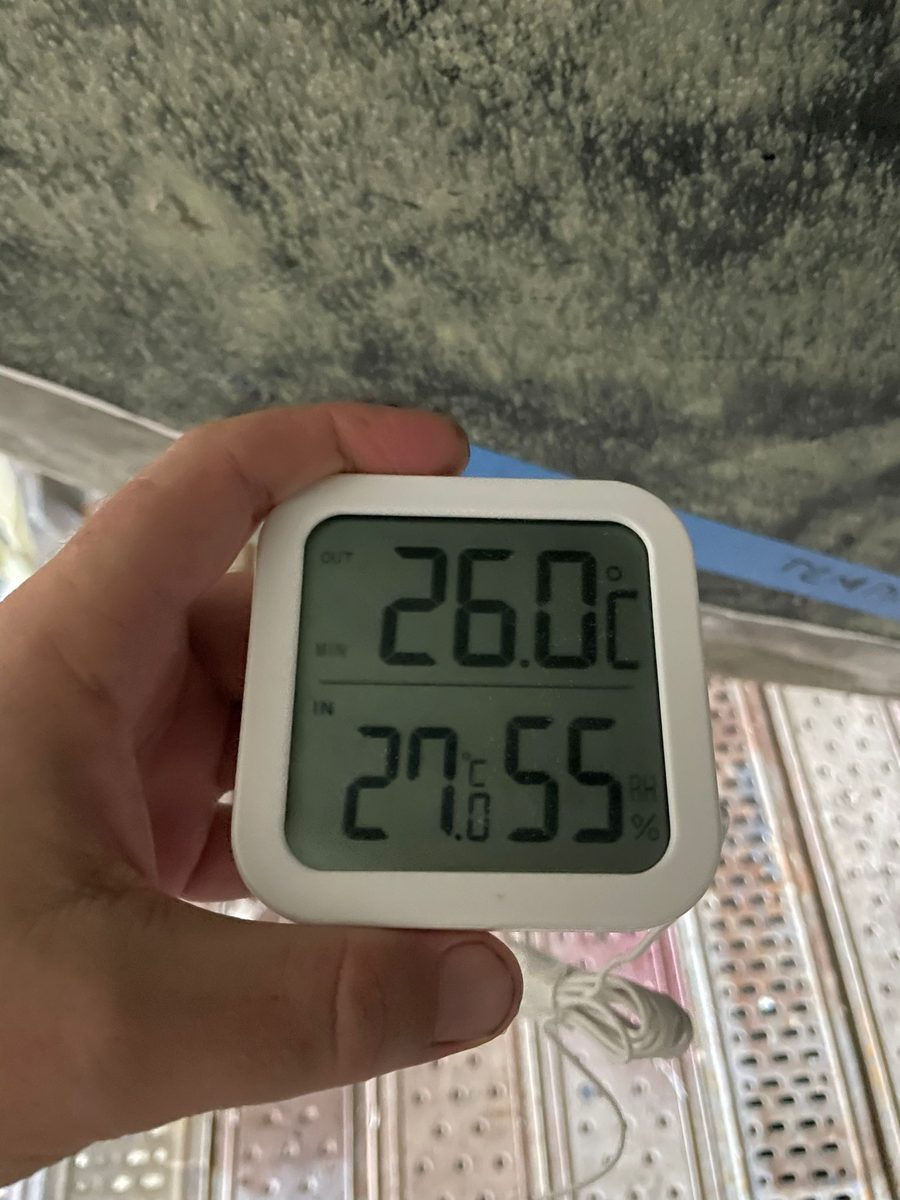
- Cure and post-cure. Laminates are cured under controlled temperature, and post-cured with heat blankets or tenting where the resin system requires it. Temperature and humidity are logged.
- Core replacement. Wet or damaged core is removed and replaced with matched core, bonded and filleted, and areas around fittings are filled solid where needed.
- Other repairs. General fibreglass and specialist carbon fibre repairs, stress and reinforcement repairs, heat damage, blister and crash repairs, composite diesel tank leak repairs, gelcoat matching and insurance claim work.
- Structural modifications. We carry out structural modifications in GRP and carbon composite, for example reinforcement for new equipment or changes to superstructure, as agreed with the owner's representative and, where required, Class.
Class and surveyor sign-off support
We work to RINA, Lloyd's Register, Bureau Veritas and ABS standards. For structural repairs we agree the method with the surveyor before lamination starts, record materials, ply schedules and cure conditions, support inspections during and after the work, and hand over records for the vessel's technical file. Two of our delivered projects, M/Y Kahala (40 m) at ST Marine Engineering, Singapore, and M/Y Kerry (33 m) in Hong Kong, for Burgess, were approved by RINA surveyors. We support Class sign-off; we do not issue Class certificates.
Finishing: fairing and topcoat
A structural repair is only finished when it can no longer be seen. Our painting team fairs the repair into the surrounding surface, then primes and topcoats it in the existing system, typically Awlgrip or Alexseal, using the same preparation standards as a full repaint. For help choosing a topcoat, read our Awlgrip vs Alexseal guide.
Repair procedures
Every structural composite repair follows the same documented sequence. The values below are industry-typical; the actual figures for each repair come from the resin and core manufacturers' data sheets, the yacht's designer and Class.
Repair sequence, steps 1–11
1. Survey and damage mapping
A visual and tap-test survey maps the full extent of the damage, which is usually larger than it looks on the surface. Areas are marked out on the hull, photographed and recorded on a damage map with dimensions and laminate type, so the owner, captain and surveyor share one picture before work starts.
2. Moisture and NDT testing
Moisture meter readings are taken on a grid across and around the damage, plus dry reference readings from sound areas. Where needed, non-destructive testing (tap testing, ultrasonic thickness or thermography) confirms delamination and wet or debonded core. Readings are logged so drying can be tracked against them.
3. Damage removal and scarf ratios
Damaged laminate and wet or crushed core are cut out back to sound, dry material. The edges are ground to a shallow taper: typically a scarf of 12:1 for GRP and 20:1 or more for carbon in primary structure, or the ratio specified by the designer or Class. Core is replaced like-for-like.
4. Surface preparation and cleanliness
Scarfed surfaces are abraded with 40–80 grit, vacuumed and solvent-wiped with lint-free cloths, and kept free of dust, oil and fingerprints. Laminating starts as soon as practical after preparation, and the area is covered whenever work stops.
5. Environmental control
The work area is tented and, where needed, heated and dehumidified. Typical limits are 18–30 °C, relative humidity below 75–80% and the surface at least 3 °C above dew point. Temperature and humidity are logged at the start of each shift and before each lamination.
6. Lamination and vacuum bagging
Plies are cut to templates and laid up to the agreed schedule, each stepping 25–50 mm past the one below. The laminate is consolidated under vacuum bag with peel ply and breather, typically at 0.6–0.8 bar, to remove air and excess resin and give a dense, well-bonded repair. Heavy laminates are built up in batches to control exotherm.
7. Cure and post-cure
The resin is cured to the manufacturer's data sheet, then post-cured where specified, typically with controlled heat at around 50–60 °C for epoxy, ramped up and down slowly. Cure temperatures and times are recorded.
8. Quality checks
After cure the repair is tap-tested for voids and delamination, and Barcol hardness is checked against the resin manufacturer's figure to confirm full cure. Laminate thickness and fairness are measured against the original.
9. Fairing
The repaired area is faired with epoxy fairing compound to the hull's lines, long-board sanded and checked with battens and raking light, so the repair disappears under the topcoat.
10. Primer and topcoat
An epoxy primer system is applied, then the topcoat or underwater system specified for the yacht: Awlgrip, Alexseal, International or Jotun. Colour and gloss are matched to the surrounding paintwork.
11. Documentation and sign-off
Each repair is documented with photos, moisture and environmental logs, the laminate schedule, materials batch numbers and quality checks. The report goes to the owner, captain and Class or insurance surveyor, who inspects and approves the repair.
Example laminate schedule
Example laminate schedule
Typical example only — every repair schedule is engineered for the vessel and approved by Class/surveyor.
A typical schedule for a cored GRP/carbon hull-panel repair, outside to inside. Resin: epoxy (vinylester where the original laminate is vinylester). Plies are laid up under vacuum bag for consolidation; each ply steps back 25–50 mm from the one below so the load passes smoothly into the original laminate.
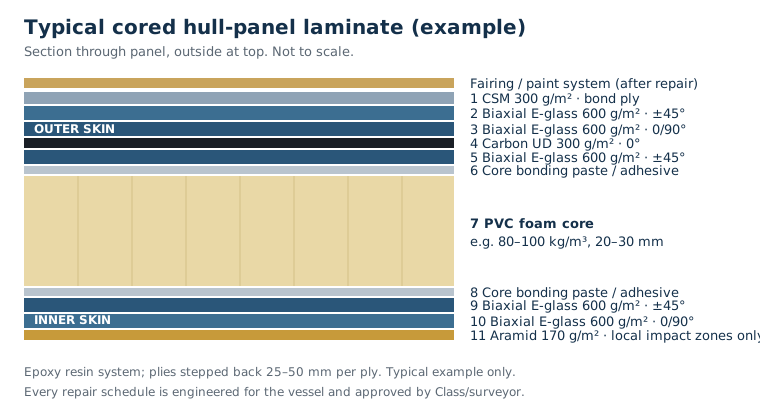
| Ply | Material | g/m² | Orientation | Notes |
|---|---|---|---|---|
| 1 | CSM (chopped strand mat) | 300 | Random | Bond ply to prepared scarf; smallest ply |
| 2 | Biaxial E-glass | 600 | ±45° | Steps out 25–50 mm beyond ply 1 |
| 3 | Biaxial E-glass | 600 | 0/90° | Steps out 25–50 mm beyond ply 2 |
| 4 | Carbon UD | 300 | 0° (main load direction) | Local stiffening where the original laminate had carbon |
| 5 | Biaxial E-glass | 600 | ±45° | Largest outer ply; peel ply then vacuum bag |
| 6 | Core bonding paste | — | — | Fills core kerfs and bonds core to skins |
| 7 | PVC foam core, 80–100 kg/m³ | 20–30 mm | — | Replaced like-for-like after wet or crushed core is removed |
| 8 | Core bonding paste | — | — | As ply 6 |
| 9 | Biaxial E-glass | 600 | ±45° | Inner skin, scarfed or stepped into original |
| 10 | Biaxial E-glass | 600 | 0/90° | Inner skin closing ply |
| 11 | Aramid (Kevlar) woven | 170 | 0/90° | Optional, local impact zones only |
GRP work plan examples
The three plans below are typical examples to show how we approach common repairs. They are not records of specific client jobs. Every repair is planned after inspection, and the method, programme and price are confirmed on inspection.
Impact damage: scarf repair to a cored hull or superstructure panel
Workflow
- Survey.Visual inspection, tap test and photographs to map the damaged and disbonded area.Records / QA: Damage map, photos
- Moisture readings.Meter readings across and around the damage to find any water in the laminate or core.Records / QA: Moisture log (baseline)
- Cut back and scarf.Remove damaged laminate and core to sound material and grind a tapered scarf in the outer skin.Records / QA: Scarf ratio check, photos
- Core.Dry the surrounding core and bond in matched replacement core.Records / QA: Core batch no., bond check
- Laminate.Lay up the first plies under vacuum, then build up structural plies in batches to limit heat build-up in the resin, until the original laminate thickness is restored.Records / QA: Ply schedule, resin batch, temp/RH log
- Cure.Tent the area and post-cure with controlled heat where the resin system calls for it.Records / QA: Cure/post-cure log
- Fair.Fair the repair into the surrounding surface.Records / QA: Fairness check (batten)
- Prime and topcoat.Prime and topcoat in the existing paint system.Records / QA: DFT readings, paint record
- Sign-off.Inspection with the owner's representative or Class surveyor, with records handed over.Records / QA: Inspection record, handover pack
Programme length and price: confirmed on inspection.
Osmosis treatment of a GRP underwater hull
Workflow
- Survey.Hull inspection and blister mapping after haul-out.Records / QA: Damage map, photos
- Moisture readings.Baseline readings logged across the hull.Records / QA: Moisture log (baseline)
- Remove.Remove antifouling, gelcoat and affected laminate down to sound material.Records / QA: Extent photos
- Wash and dry.Wash and dry the hull, with moisture readings logged until the agreed level is reached.Records / QA: Moisture log to agreed level
- Surface prep.Grind and abrade bonding surfaces back to clean, sound laminate, feather and scarf the edges, then vacuum and solvent-wipe to remove dust and contaminants before bonding.Records / QA: Cleanliness check, photos
- Laminate.Replace any lost laminate with new plies in epoxy.Records / QA: Ply schedule, resin batch, temp/RH log
- Barrier coat.Apply an epoxy barrier system to the manufacturer's data sheet.Records / QA: DFT readings, data sheet
- Fair.Fair the hull where required.Records / QA: Fairness check (batten)
- Antifouling.Apply antifouling to the agreed specification.Records / QA: DFT readings, paint record
- Sign-off.Final inspection, with moisture and coating records handed over.Records / QA: Inspection record, handover pack
Programme length and price: confirmed on inspection.
Core water ingress: deck or superstructure core replacement
Workflow
- Survey.Tap test and inspection to find soft or delaminated areas.Records / QA: Damage map, photos
- Moisture readings.Moisture mapping to set the boundary of the wet core.Records / QA: Moisture log (baseline)
- Open up.Remove the outer skin over the affected area and take out the wet core.Records / QA: Extent photos, core samples
- Dry.Dry the area and confirm with moisture readings.Records / QA: Moisture log
- Surface prep.Grind and abrade bonding surfaces back to clean, sound laminate, feather and scarf the edges, then vacuum and solvent-wipe to remove dust and contaminants before bonding.Records / QA: Cleanliness check, photos
- Core.Bond in new core, with fittings areas filled solid and the fittings re-bedded.Records / QA: Core batch no., bond check
- Laminate.Re-laminate the outer skin, scarfed into the existing laminate, under vacuum bag.Records / QA: Ply schedule, resin batch, temp/RH log
- Cure.Cure, and post-cure where the resin system calls for it.Records / QA: Cure/post-cure log
- Fair, prime and topcoat.Fair, prime and topcoat to match the surrounding paint system.Records / QA: Fairness check, DFT readings
- Sign-off.Inspection with the owner's representative or Class surveyor.Records / QA: Inspection record, handover pack
Programme length and price: confirmed on inspection.
Structural repair projects
M/Y Kahala · 40 m · structural GRP bow repair
 Repairs approved by RINA surveyors
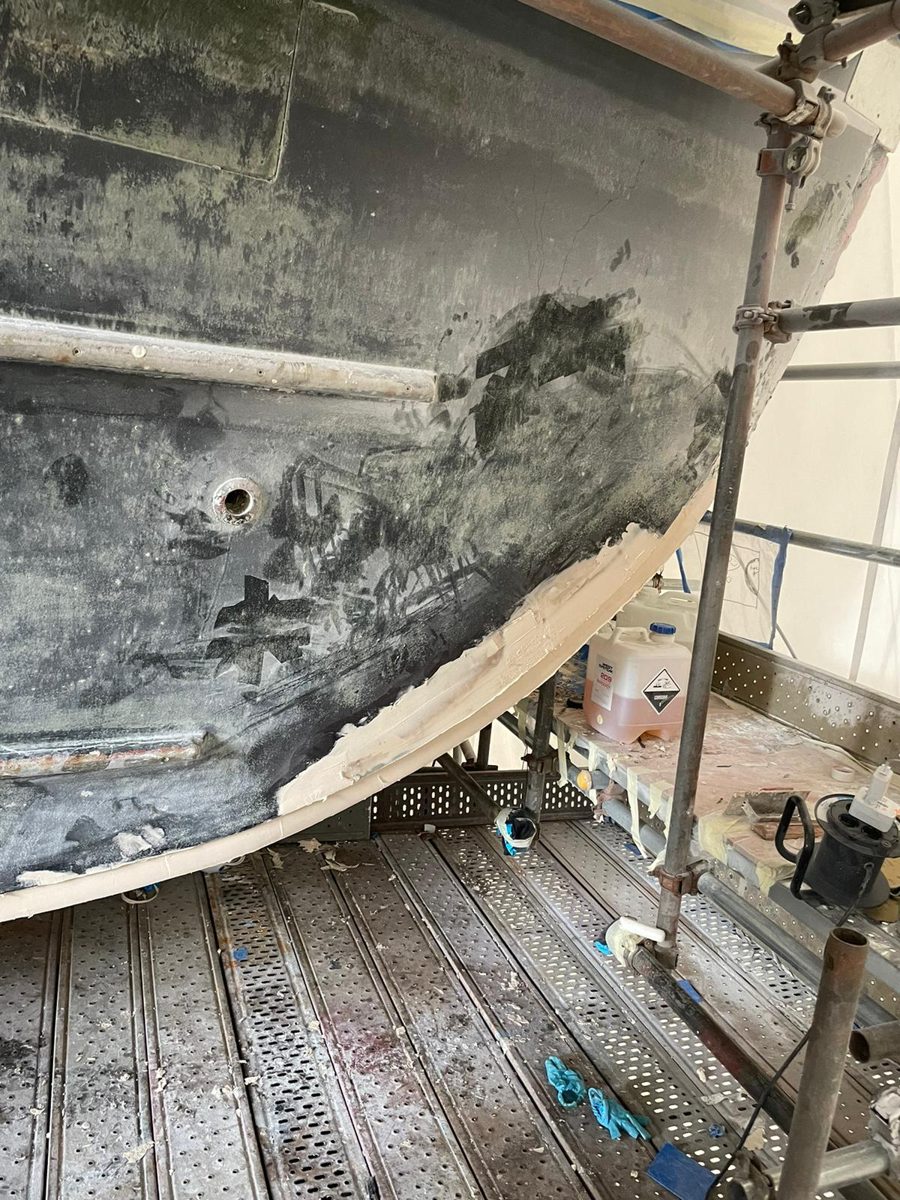
Structural repair of a damaged and delaminated section of the bow on the 40.8 m motor yacht M/Y Kahala, carried out at ST Marine Engineering in Singapore. The damaged laminate was ground back and chamfered to sound material, cleaned and solvent-washed, and templates were made for every ply. The first plies were laminated under vacuum, then structural biaxial plies were built up in batches, to limit heat build-up in the resin, until the original laminate thickness was restored. The area was then tented and post-cured with controlled heat, and sanded and degreased ready for the underwater paint system. Temperature and humidity were logged throughout. The repair was approved by a RINA surveyor in Singapore.
Findings
Damaged and delaminated GRP laminate in a section of the bow.
Method
Ground back and chamfered to sound laminate, solvent-washed, ply templates; first plies under vacuum, structural biaxial plies built up in batches; tented controlled-heat post-cure; temperature and humidity logged.
Result
Original laminate thickness restored, sanded and degreased for the underwater paint system. Repair approved by a RINA surveyor in Singapore.
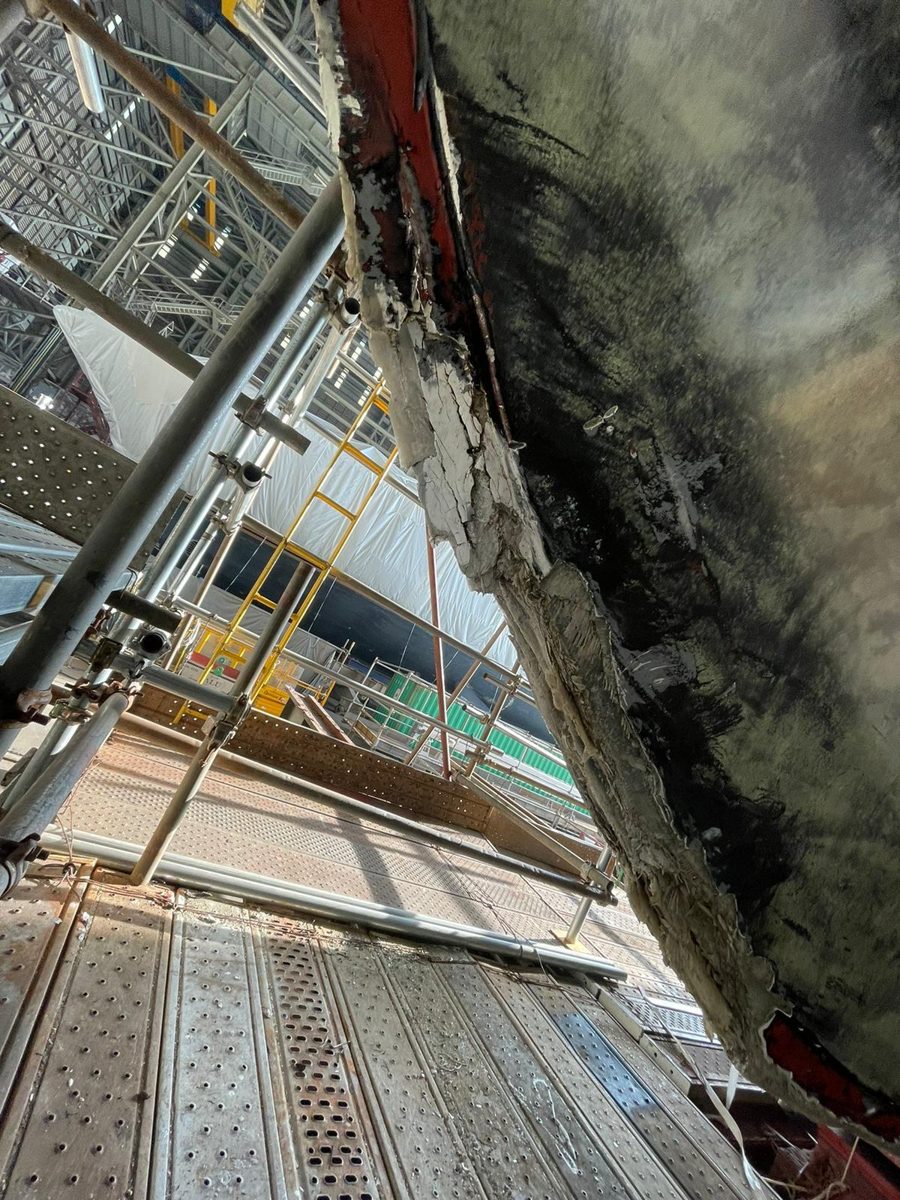
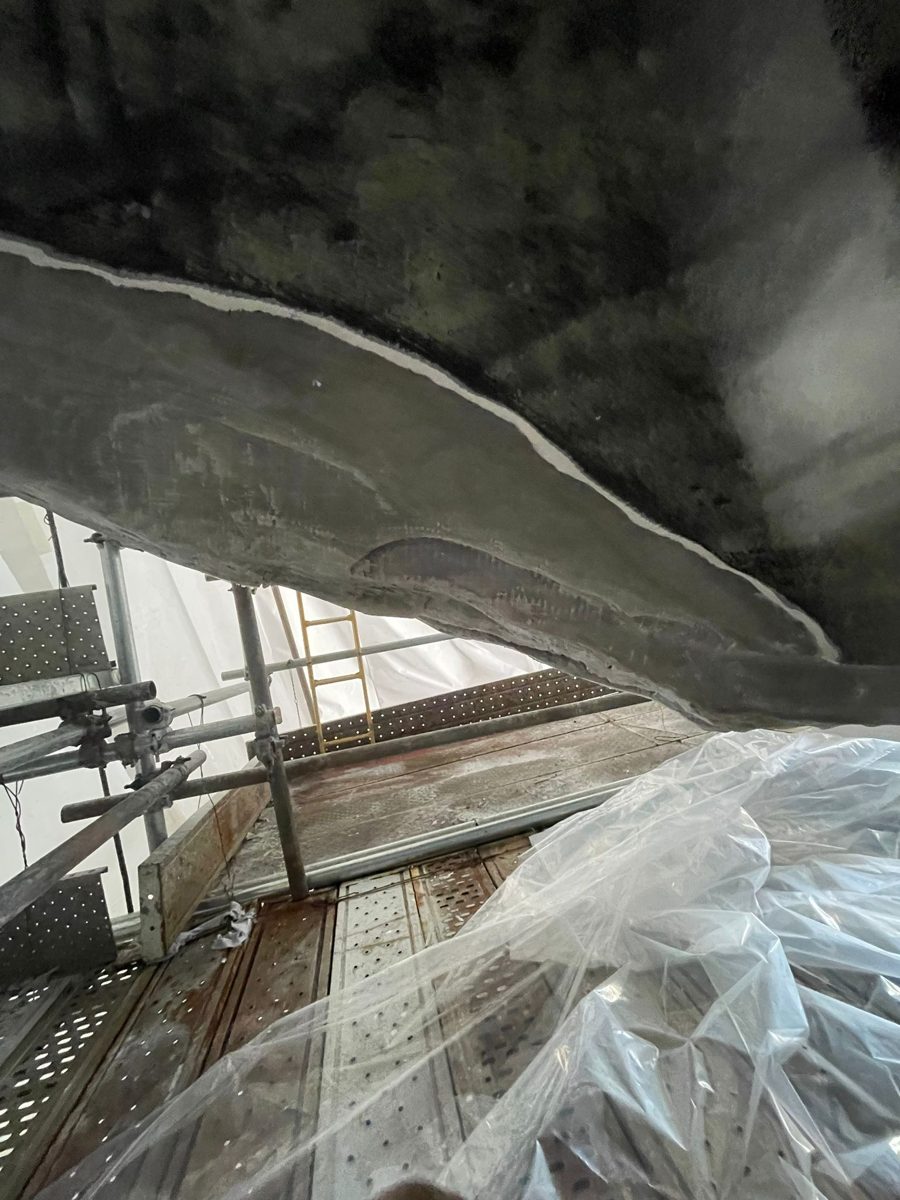
Repair record photos 5
M/Y Kerry · 33 m Ferretti Navetta · structural hull and fuel tank repair
Repairs approved by RINA surveyorsFindings
Structural damage to the GRP hull and diesel tank, on a tight deadline.
Method
Laminate rebuilt with vacuum bagging for consolidation and adhesion; schedules and work reports sent to all parties throughout.
Result
Repairs approved by a RINA surveyor in Hong Kong; class and insurance surveyors satisfied.
Emergency structural GRP repairs to the hull and diesel tank of the 33 m Ferretti Navetta M/Y Kerry in Hong Kong, carried out for Burgess on a short programme. The laminate was rebuilt using vacuum bagging for consolidation and adhesion, and the repairs were approved by a RINA surveyor in Hong Kong. Her captain, Lance Dawson, wrote:
“I would like to thank Scott Taylor and his team for the impressive work done completing GRP repairs on our Ferretti Navetta 33.”
“The challenge of a tight time frame to arrive, find the required materials and do the work was met with smiles, laughter and professionalism.”
“All class and insurance surveyors were satisfied with all the work completed, all detailed schedules and work reports were sent on a regular basis to be sure all concerned were happy and in the loop.”
“I would highly recommend these guys for any work required. I would say I look forward to working with them again, but it means I need repairs done!”
Captain Lance Dawson, M/Y Kerry
M/Y Azamanta, 55 m · composite repairs · Singapore
Composite repairs on the 55 m M/Y Azamanta in Singapore, with a captain's reference. See the reference card →
RINA approval refers to the surveyor's acceptance of these specific repairs, not to a company certificate. Class certificates are issued by the classification society, not by us.
Prices
On inspection. Send the yacht's name and location, photographs of the damage and any Class requirements to info@yachtrefitasia.com, and we will advise on the method and next steps.
Frequently asked questions
Do you repair carbon fibre as well as GRP?
Yes. We repair GRP (glass-reinforced plastic), carbon fibre and aramid (Kevlar) laminates, solid and cored. The resin system, fibre and ply schedule are matched to the original laminate or to the designer's or Class surveyor's repair specification.
How much does a composite repair cost?
On inspection. The price depends on the extent of damage, whether core has to be replaced, access, the resin system and the finish required. After a survey we provide a written method statement and quotation.
Is your composite repair work Class approved?
We work to RINA, Lloyd's Register, Bureau Veritas and ABS standards and support the surveyor through inspection and sign-off. Two of our delivered projects, M/Y Kahala (40 m) at ST Marine Engineering, Singapore, and M/Y Kerry (33 m) in Hong Kong, for Burgess, were approved by RINA surveyors. We do not issue Class certificates ourselves.
Can the repair be painted to match the rest of the yacht?
Yes. Every structural repair is faired and finished by our own painting team in the same system as the surrounding surface, typically Awlgrip or Alexseal, so the repaired area does not show.
Where do you carry out composite repairs?
From our bases in Singapore, Thailand (Ocean Marina) and Vietnam, and on site wherever the yacht is. Our team travels to the yacht for urgent and planned repairs.